

Scroll Top
4801 Bennett Rd. Toledo, Ohio 43612

What is the Best Banding Sealer for Your Packaging Needs?

Choosing the right Banding Sealer for your packaging needs can be challenging. The market offers various options, each with unique features and benefits. Understanding your specific requirements is key.

A Banding Sealer can enhance product presentation and provide security. When selecting one, consider factors like speed, efficiency, and materials. Each product type may require a different sealing method.

It's crucial to assess your production line. A high-quality Banding Sealer can improve workflow but may come at a higher initial cost. Investing wisely can yield long-term benefits. Personal experiences and expert recommendations can guide you in making the right choice for your packaging needs.
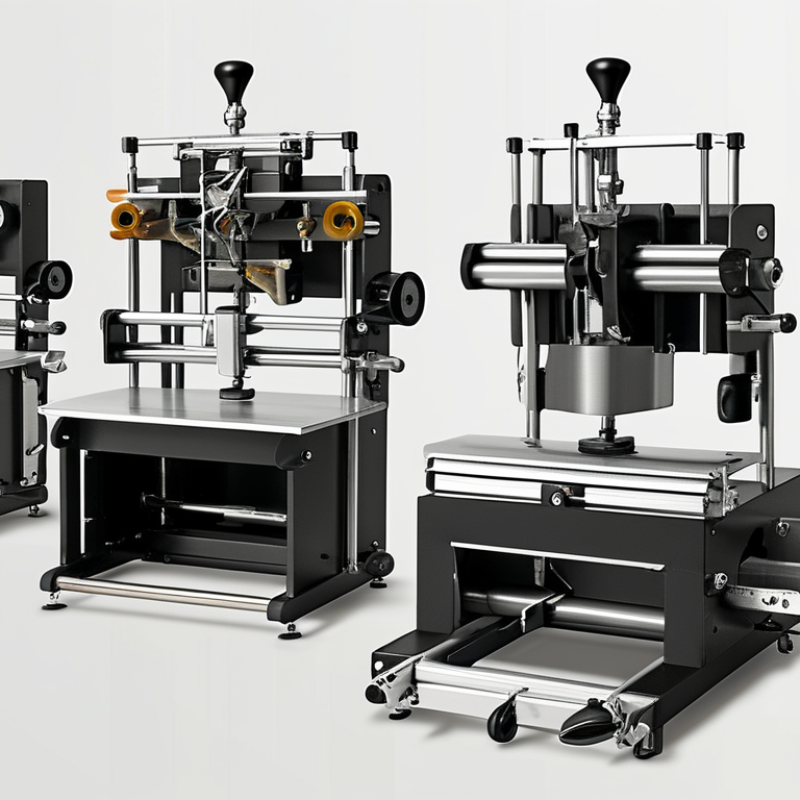
What is the Best Banding Sealer for Your Packaging Needs?

Understanding Banding Sealers: Types and Functions

Banding sealers are crucial in packaging, ensuring products arrive intact. They are designed to apply a plastic band around items, securing them together while enhancing presentation. There are two main types: automatic and manual sealers. Automatic sealers often improve efficiency, suitable for high-volume production. Manual options are great for smaller operations. According to a 2023 report by Packaging Strategies, 65% of manufacturers favor automatic banding sealers for cost savings.

The function of banding sealers transcends mere attachment. They provide tamper evidence and enhance product visibility. Research indicates that products displayed with banding are 40% more likely to catch consumers' eyes. This aesthetic appeal can directly influence sales, making the right sealer essential. However, choosing the wrong type can lead to inadequate sealing, resulting in product damage. Many users find that while automatic machines save time, initial setup can be complex and require training.

Consideration of material is also vital. Some sealers work best with plastic film, while others are compatible with paper or cardboard. A 2022 study from the Flexible Packaging Association highlights that 30% of businesses faced challenges in selecting the appropriate materials for their banders. This mismatch can hinder the sealing process. Reflection on these elements can improve efficiency and effectiveness, making thorough research before a purchase a worthy investment.

Key Features to Look for in a Banding Sealer

Choosing the right banding sealer is crucial for effective packaging. Look for machines with adjustable temperature settings. This feature helps ensure proper seal integrity across various materials. Consistent sealing prevents product damage during transportation.

Consider the sealing speed as well. Some machines can seal faster than others. A faster sealer increases productivity but may compromise the quality. Balancing speed and quality is essential for packaging success.

Examine machine durability as well. A robust sealer may cost more upfront but offers long-term savings. Evaluate user-friendly designs too. Intuitive controls can enhance productivity by reducing training time for staff. Reflecting on these features will lead to better packaging choices.

Assessing Your Packaging Needs: Size, Material, and Volume

When assessing packaging needs, size, material, and volume are crucial factors. According to a recent industry report, 40% of packaging failures stem from mismatched sizes. This suggests that taking precise measurements and understanding the products being packaged is essential. Packaging that is too large can lead to damage during transport, while overly snug packaging might restrict the product's movement and lead to spoilage.

Material selection plays a pivotal role. Different products require distinct materials to maintain quality. For example, moisture-sensitive goods often need barrier films. A data analysis from packaging experts shows that 70% of consumer complaints are linked to inadequate packaging materials. This emphasizes that one size does not fit all. It is vital to research which materials serve your specific products best to minimize waste and ensure safety.

Volume considerations cannot be overlooked. A miscalculation in volume can lead to underfilled or overfilled packages, affecting the company's bottom line. As reported, businesses lose an estimated 20% of their revenue due to inefficiencies related to packaging volumes. Therefore, evaluating your production capacity and typical order size enables better alignment with customer expectations and operational efficiency. Reflecting on these factors can enhance both packaging performance and customer satisfaction.

Comparing Top Brands: Performance and Reliability

Choosing the right banding sealer for your packaging needs is crucial. The performance and reliability of different brands can vary significantly. A recent industry report indicated that 70% of packaging errors are due to inadequate sealing processes. Therefore, investing in a high-quality banding sealer can minimize these risks.

In terms of performance, factors like sealing speed, temperature control, and material compatibility are essential. Some models have been shown to produce seals that withstand extreme temperatures and moisture, which is critical for certain products. A study by the Packaging Association revealed that brands with efficient sealing solutions saw a 25% reduction in product returns due to packaging failures.

Reliability also plays a vital role. Equipment that undergoes frequent breakdowns can lead to delays and increased costs. According to research, 40% of manufacturers reported equipment failure during peak production times. It suggests a need for careful evaluation of long-term performance data before making a purchase. A reliable banding sealer should not only meet current demands but also adapt to evolving packaging needs, ensuring consistent quality over time.

Maintenance Tips for Longevity of Your Banding Sealer

Maintaining the longevity of your banding sealer is crucial for maximizing efficiency and ensuring product quality. Regular maintenance can enhance the lifespan of these machines. According to a report from the Packaging Machinery Manufacturers Institute, proper care can extend the operational life of sealing equipment by up to 30%. This translates to significant savings and reduced downtime for businesses.

One key maintenance practice is cleaning the sealing area. Dust, adhesive residue, and debris can hinder performance. Schedule weekly cleanings to keep surfaces pristine. Additionally, regularly inspect components for wear. Belts and seals should be checked weekly. Replacing worn parts promptly can prevent costly repairs later. Remember, a well-maintained machine runs more efficiently, improving your overall packaging process.

Another aspect to consider is the environment in which the banding sealer operates. High humidity or extreme temperatures can impact functionality. Keep the machine in a controlled environment whenever possible. Utilize temperature and humidity monitors to track conditions. Addressing these factors can lead to better sealing results. Yet, many overlook this aspect, leading to unexpected performance issues. Being proactive about these details can be your key to long-term success.