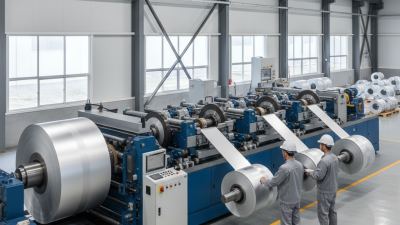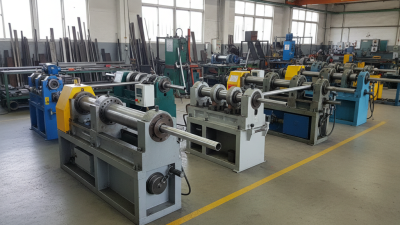

Choosing the best metal processing machine in China is rarely a simple comparison of price and power. The right choice depends on material, thickness, production volume, accuracy, and available floor space. A small fabrication shop may need a reliable fiber laser cutter, while a heavy manufacturer may require a hydraulic press brake or CNC milling system. One machine cannot serve every workshop.
Practical experience matters here. Operators should inspect cutting samples, machine frames, control systems, and maintenance records before ordering. A smooth stainless-steel edge reveals more than a polished brochure. Ask suppliers for repeatability data, test reports, installation plans, and spare-parts support. Certifications can support trust, but they should not replace independent testing. That assumption can fail.
China has many established manufacturers, yet quality varies between models and production lines. Buyers should compare engineering capability, software compatibility, training, warranty terms, and response times. Visiting a factory can reveal assembly standards, calibration practices, and how technicians handle small faults. It is also wise to speak with current users in similar industries. Their daily experience may expose limitations that advertisements overlook.
The best decision balances performance, ownership cost, safety, and long-term service. Consider energy use, tooling changes, dust collection, and operator training. A cheaper machine may become expensive after repeated downtime. A premium model may be unnecessary for occasional work. Careful testing creates confidence.
Still, no guide can replace a real production trial. Conditions differ. This article examines leading options, selection criteria, and practical questions for identifying the best metal processing machine in China.
What Is the Best Metal Processing Machine in China?
What Is a Metal Processing Machine?
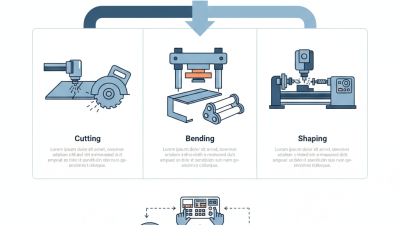
A metal processing machine changes metal through cutting, forming, drilling, bending, welding, or finishing. It may use a laser, plasma arc, milling tool, press brake, or automated handling system. Each method suits different materials, thicknesses, tolerances, and production volumes. It is not one machine.
China’s steel industry shows why this equipment matters. The World Steel Association reported that China produced about 1,019 million tonnes of crude steel in 2024, representing roughly 54% of global output. That scale creates demand for machines that convert sheets, tubes, and structural sections into accurate parts. However, high output does not automatically mean high quality.
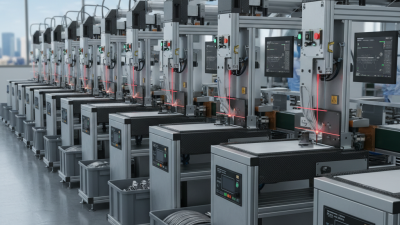
The best metal processing machine depends on the workshop’s real constraints. A fiber laser may deliver clean sheet cuts, while a CNC press brake handles controlled bending. A machining center can produce complex components, but it may require skilled programming and stable tooling. According to the International Federation of Robotics’ World Robotics 2024 report, China reached 470 industrial robots per 10,000 manufacturing employees in 2023. Automation is growing, yet maintenance, operator training, and software integration remain decisive. Not always. A fast machine can still waste material through poor nesting or repeated setup errors. I would examine positional accuracy, energy use, service response, safety functions, and available spare parts before judging performance. Published specifications are useful, but a production trial often reveals uncomfortable weaknesses.
| Machine Type | Primary Processing Method | Typical Materials | Common Processing Tasks | Typical Thickness or Capacity | Main Advantages | Key Limitations | Best Choice For | Overall Suitability |
|---|---|---|---|---|---|---|---|---|
| Fiber Laser Cutting Machine | Focused laser beam melts or vaporizes material while an assist gas removes molten metal. | Carbon steel, stainless steel, aluminum, brass, copper, and galvanized sheet. | High-speed cutting of sheet metal, plates, tubes, profiles, and detailed contours. | Commonly used for thin and medium sheet metal; capacity depends on laser power, material, and machine configuration. | High cutting speed, narrow kerf, good edge quality, low mechanical contact, and excellent repeatability. | Initial investment can be high; reflective metals require suitable optical and process configurations. | Precision fabrication, customized parts, enclosures, kitchen equipment, and general sheet-metal production. | ★★★★★ |
| CNC Plasma Cutting Machine | Uses a high-temperature plasma arc to melt conductive metal, while compressed gas removes the molten material. | Mild steel, stainless steel, aluminum, copper, and other electrically conductive metals. | Cutting medium and thick plates, structural components, brackets, and industrial parts. | Generally more suitable for medium and thick materials than thin precision sheet. | Fast cutting, lower equipment cost than many laser systems, and effective on thick conductive plates. | Wider kerf and larger heat-affected zone than laser cutting; edge quality may require secondary finishing. | Structural steel work, heavy fabrication, construction components, and large plate processing. | ★★★★☆ |
| CNC Waterjet Cutting Machine | High-pressure water, sometimes mixed with abrasive, erodes the material along a programmed path. | Steel, stainless steel, aluminum, titanium, stone, glass, composites, and heat-sensitive materials. | Cold cutting of thick plates, intricate profiles, stacked sheets, and mixed-material components. | Can process a wide range of thicknesses, subject to pump pressure, abrasive system, and material type. | No thermal distortion, minimal heat-affected zone, and broad material compatibility. | Slower than laser or plasma for many applications; abrasive and wastewater management increase operating costs. | Heat-sensitive materials, thick sections, aerospace components, and applications requiring cold cutting. | ★★★★☆ |
| CNC Press Brake | Applies controlled bending force with a punch and die to form sheet or plate metal. | Carbon steel, stainless steel, aluminum, and other ductile sheet materials. | Creating angles, channels, boxes, flanges, brackets, and precision formed panels. | Capacity is determined by bending force, working length, tooling, material strength, and thickness. | Accurate repeatable bending, flexible tooling, and compatibility with automated production lines. | It does not cut material; complex parts may require multiple setups or specialized tooling. | Sheet-metal forming after cutting, electrical cabinets, machinery panels, and fabricated assemblies. | ★★★★★ |
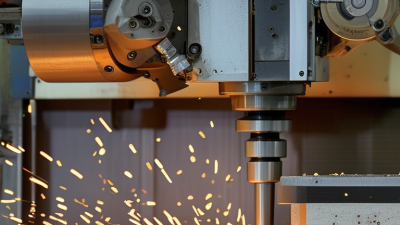
| CNC Milling Machine | Rotating cutting tools remove material from a fixed or precisely positioned workpiece. | Aluminum, steel, stainless steel, brass, titanium, engineering plastics, and other machinable materials. | Slotting, drilling, pocketing, contouring, face milling, and production of complex solid parts. | Work envelope and cutting capacity depend on table size, spindle power, axis travel, and tooling. | High dimensional accuracy, complex three-dimensional machining, and strong repeatability. | Material is removed as chips, which can increase cycle time and tool consumption compared with some cutting methods. | Precision components, molds, machine parts, fixtures, and low-to-medium volume production. | ★★★★★ |
| CNC Lathe or Turning Center | The workpiece rotates while cutting tools remove material from its outer or inner surface. | Steel, stainless steel, aluminum, brass, copper alloys, and other turning-grade materials. | Turning, facing, boring, threading, grooving, drilling, and production of rotational parts. | Capacity is mainly defined by swing diameter, distance between centers, spindle bore, and machine power. | Efficient for cylindrical parts, accurate diameters, repeatable threading, and automated batch production. | Less suitable for large flat profiles or highly non-rotational geometries without additional driven tooling. | Shafts, bushings, pins, nozzles, fittings, rollers, and other round components. | ★★★★★ |
| Metal Stamping Press | A punch and die cut, pierce, blank, bend, or form sheet metal under press force. | Steel, stainless steel, aluminum, copper, and other sheet metals suitable for stamping. | High-volume blanking, piercing, embossing, bending, and progressive die production. | Capacity is defined by press tonnage, stroke, bed size, die design, and material thickness. | Very high production speed, consistent parts, and low unit cost for large production runs. | Tooling costs can be substantial; design changes may require die modification or replacement. | Automotive, appliance, electronics, hardware, and other high-volume manufacturing. | ★★★★☆ |
| CNC Tube and Pipe Laser Cutter | A focused laser cuts profiles while the tube or pipe is positioned and rotated by a programmable system. | Carbon steel, stainless steel, aluminum, brass, and copper tubes or profiles. | Cutting, slotting, piercing, notching, and preparing tube components for welding or assembly. | Capacity depends on tube diameter, profile geometry, wall thickness, chuck design, and laser power. | Combines multiple operations, reduces manual setup, and produces accurate joints for fabrication. | Requires suitable loading, support, and programming systems; not intended for general solid-block machining. | Frames, furniture, fitness equipment, automotive structures, and tube-based assemblies. | ★★★★☆ |
| Wire Electrical Discharge Machine | Controlled electrical discharges remove conductive material using a continuously moving wire electrode. | Hardened tool steel, carbide, titanium, copper alloys, and other electrically conductive materials. | Precision profiles, narrow slots, punches, dies, intricate contours, and hardened-part machining. | Suitable for precision work; maximum workpiece size depends on machine travel and tank dimensions. | Excellent accuracy, fine detail capability, and machining of hardened materials without conventional cutting force. | Only conductive materials can be processed; cutting speed is generally slower than common thermal cutting methods. | Tool and die manufacturing, precision inserts, medical parts, and complex hardened components. | ★★★★☆ |
| Metal Deburring and Finishing Machine | Uses abrasive belts, brushes, discs, or other finishing media to remove burrs and improve surface condition. | Carbon steel, stainless steel, aluminum, copper, and laser- or plasma-cut parts. | Edge rounding, burr removal, oxide removal, surface brushing, and preparation for coating or assembly. | Capacity depends on working width, part geometry, abrasive type, and material thickness. | Improves handling safety, coating adhesion, appearance, and consistency of finished parts. | Usually performs finishing rather than primary cutting or forming; very complex geometries may require manual work. | Fabricators seeking consistent post-processing for laser-cut, plasma-cut, punched, or stamped parts. | ★★★☆☆ |
A metal processing machine turns digital instructions into controlled physical movement. The process usually begins with a CAD drawing. Software converts that drawing into tool paths, speeds, and cutting depths. The controller then sends signals to motors, sensors, and the cutting head. Precision starts here.
The workpiece is clamped firmly to prevent vibration. A laser, plasma torch, milling cutter, or press then removes or reshapes material. Heat, pressure, and motion must remain balanced. Too much heat can warp thin steel. Excessive force may damage an edge. A trained operator watches the cut, listens for unusual vibration, and checks the first sample with calipers.
That small check matters.
In well-managed Chinese workshops, operators often combine automation with practical judgment. Machines can repeat a programmed path, but they cannot fully understand every material variation. Stainless steel, aluminum, and carbon steel respond differently. Surface coatings also affect cutting performance. Regular calibration improves accuracy, while clean lenses, sharp tools, and stable power protect consistency.
In my view, the “best” machine is not simply the fastest one. It should match the material, thickness, production volume, and required tolerance. A powerful machine may waste energy on simple work. A compact machine may struggle with continuous production. Even experienced teams sometimes choose settings that need adjustment after testing. That is normal, but ignoring the result is not.
China’s metalworking factories use different machines for different materials, thicknesses, and production volumes. There is no single best metal processing machine.
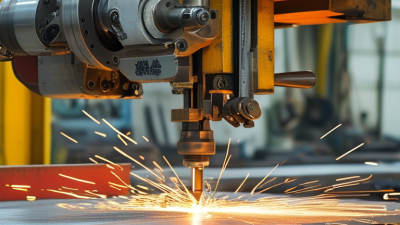
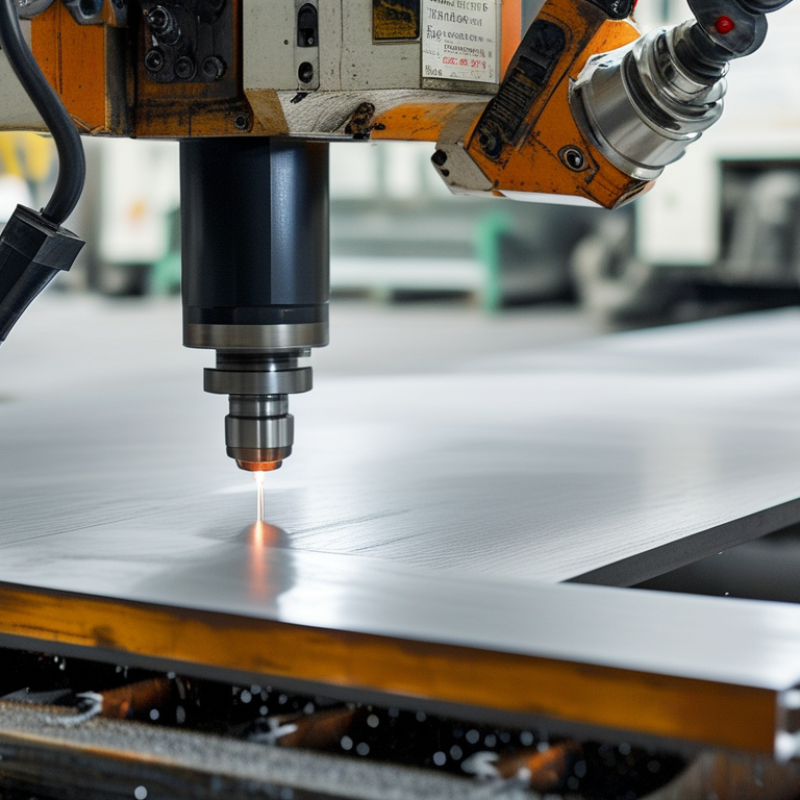
CNC fiber laser cutters are common for stainless steel, carbon steel, and aluminum sheets. They produce narrow cuts and suit detailed profiles. Plasma cutters handle thicker steel at a lower operating cost, although their edges may require more finishing. Waterjet machines cut heat-sensitive materials without creating a heat-affected zone. They are slower, but sometimes safer for demanding parts.
Press brakes form flat sheets into cabinets, frames, and channels. Hydraulic shears offer fast straight cuts, while CNC punching machines create repeated holes with consistent spacing. Tube laser systems process round and rectangular profiles efficiently. For solid components, CNC lathes and milling machines deliver accurate turning, drilling, and surface work. Stamping presses remain useful for high-volume parts after suitable tooling is prepared.
I have seen production plans fail because machine speed received more attention than material handling. A fast cutter still loses value when loading, nesting, or inspection is poorly organized. Small workshops may prefer flexible equipment, while large factories often combine automated lines with skilled operators. The choice should consider tolerance, maintenance access, dust control, energy use, and operator training. Some estimates remain uncertain. Actual performance depends on settings, material quality, and disciplined inspection. Practical trials usually reveal more than a brochure.
When comparing metal processing machines in China, performance should match your daily workload. Check cutting speed, motor stability, acceleration, and heat control. A fast machine is not always productive. If it pauses often, output falls quickly. Ask for test pieces using your actual steel thickness and design. Watch the machine operate for at least several hours. Short demonstrations can hide vibration, noise, and temperature problems.
Precision needs measurable evidence. Review positioning accuracy, repeatability, kerf quality, and edge consistency. Use a caliper to inspect sample parts, rather than trusting appearance alone. A difference of 0.1 millimeters may matter in fitted components. Also examine the control system and calibration process. Operators should find adjustments clear. Confusing software creates avoidable errors. Small details matter.
Cost includes more than the purchase price. Calculate electricity use, consumables, maintenance, training, installation, and expected downtime. My first comparison focused too heavily on speed. That was a mistake. A cheaper machine became expensive after frequent nozzle changes and alignment work. Request maintenance records, warranty terms, spare-part availability, and response times. Reliable technical support can protect production schedules. Still, promises are not proof. Ask for documented test results and speak with experienced users before deciding.
Choosing the best metal processing machine in China starts with your actual production needs. Material type, thickness, batch size, tolerances, and workshop space matter more than a low purchase price. For example, a machine cutting 6-millimeter steel may struggle with stainless steel at the same speed. Ask for verified samples using your own material. That test reveals burrs, heat distortion, cycle time, and operator workload. Small details matter.
China remains a major manufacturing base. According to the World Steel Association’s 2024 data, China produced about 1.01 billion tonnes of crude steel in 2024. This scale supports a broad supply chain for cutting, bending, forming, and welding equipment. However, supplier quantity can make selection harder. Check spindle or laser stability, positioning accuracy, energy consumption, maintenance access, and spare-part availability. Request inspection records and acceptance results based on recognized machine-tool standards, such as ISO 230-2.
Automation also deserves careful attention. The International Federation of Robotics reported 276,288 industrial robot installations in China during 2023, representing about 51% of global installations. A suitable machine should communicate reliably with loaders, robots, and factory software. Confirm protocols before signing. Ask about training, remote diagnostics, and service response times. I have found that impressive demonstrations can hide difficult setup work. The cheapest option often becomes expensive when downtime, scrap, and retraining are included. Allow room for mistakes.