
Scroll Top
4801 Bennett Rd. Toledo, Ohio 43612

10 Essential Tips for Choosing the Best Leveling Machines

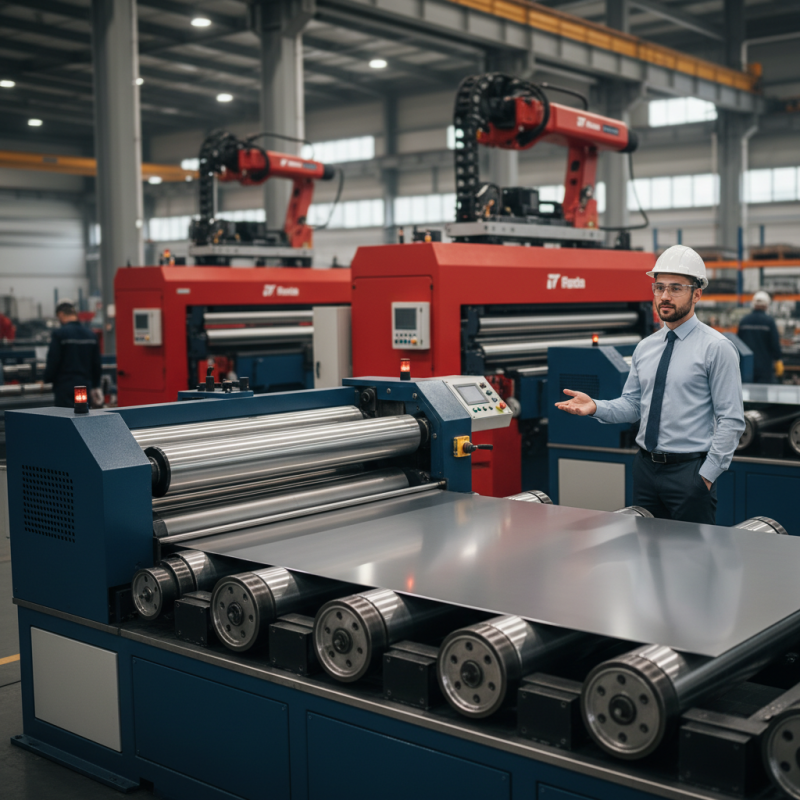
Choosing the right leveling machines is crucial for efficiency and precision in various industries. Expert John Smith, a leading authority in the leveling machinery field, emphasizes, “The right machine can make all the difference in productivity.” His insights underscore the importance of understanding specific requirements before making a selection.

When selecting leveling machines, consider the intended application and material types. Different projects may demand different features. A machine that excels in one area may fall short in another. It's vital to think critically about these aspects to avoid costly mistakes.

Additionally, evaluating brands and customer feedback is essential. Not all machines are created equal, and sometimes a popular brand might not meet specific needs. Reflecting on previous experiences can provide invaluable lessons. Choosing the right leveling machine is more than a technical decision; it reflects a deeper understanding of operational demands.
10 Essential Tips for Choosing the Best Leveling Machines

Understanding Leveling Machines: Types and Their Applications

Leveling machines are crucial in modern manufacturing and construction. These machines come in various types, each serving specific applications. From laser leveling to mechanical models, understanding their functions is essential for optimal use. Laser leveling machines offer precision, making them ideal for projects requiring accuracy. On the other hand, mechanical options are often more affordable but may not provide the same level of detail.

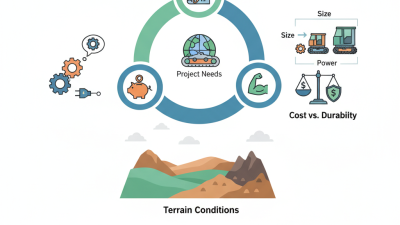
Choosing the right machine involves recognizing your project’s needs. For larger projects, a hydraulic leveling machine may be beneficial due to its powerful performance. These machines can handle heavy loads and uneven surfaces. However, they may also require more maintenance. Smaller, portable options are excellent for residential tasks but may lack robustness for larger jobs. It’s important to weigh these details carefully to avoid potential oversights that could affect the project outcome.

In the world of leveling machines, there’s no one-size-fits-all solution. Knowledge is power, yet it’s easy to overlook key details. A lack of familiarity can lead to poor decisions. Always consider how often the machine will be used and the type of materials involved. Exploring options and consulting experienced users can provide invaluable insights. This reflection may save time and resources in the long run.
Key Features to Consider When Selecting Leveling Machines

10 Essential Tips for Choosing the Best Leveling Machines

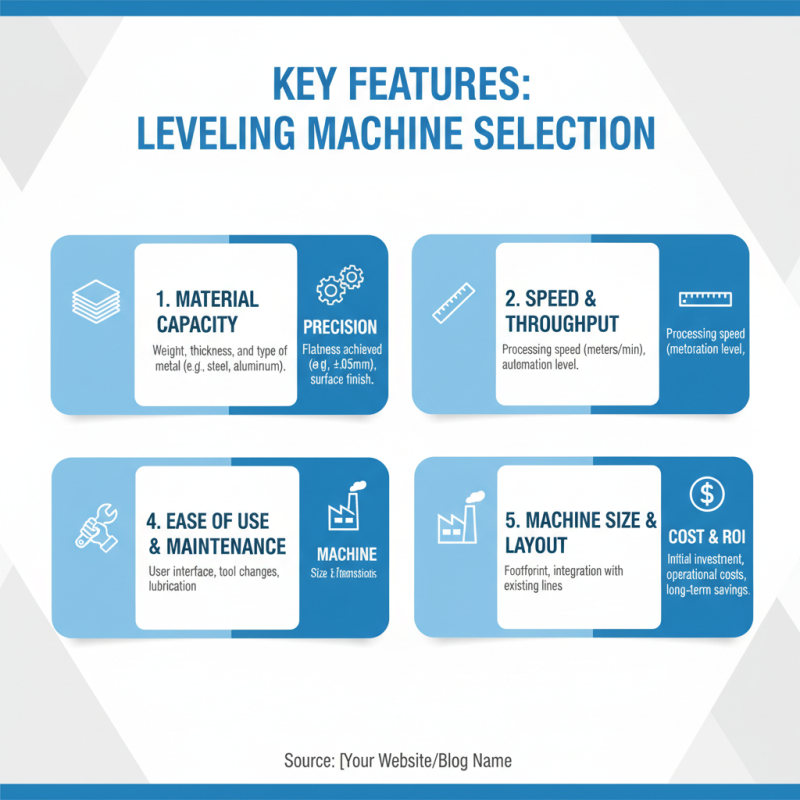
Selecting the right leveling machine can be challenging. Understanding key features can make a significant difference. Consider the machine’s capacity to handle your specific materials. For instance, a machine designed for lightweight materials might not perform well on heavier components.

Another crucial factor is the ease of use. Complex controls can slow down the workflow. Selecting a machine with intuitive operation saves time during training. Look for features like user-friendly interfaces and real-time feedback systems. These aspects enhance productivity and reduce error rates.

Also, think about maintenance requirements. Some machines require frequent servicing, which can disrupt your operations. A machine that is easy to maintain will save you time and costs in the long run. Reflect on your operational needs, and always prioritize machines that align with those necessities. Keep in mind, the best choice may not always be the most advanced model, but the one that suits your specific situation.

Evaluating the Performance and Efficiency of Leveling Machines

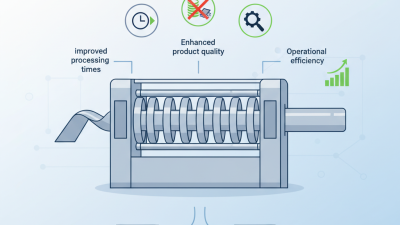
When evaluating the performance and efficiency of leveling machines, consider the specific needs of your project. Machines with high precision and speed are often desirable. Efficiency can be measured by how quickly a machine can complete a task, but precision should not be sacrificed for speed. For example, a machine that levels a surface perfectly but takes longer may sometimes be the better choice overall.

Another critical aspect is maintenance. Regular upkeep can impact performance significantly. Machines that require frequent repairs can lead to downtime, affecting overall efficiency. Look for models with service-friendly designs. You may find that easier maintenance leads to longer-lasting equipment. Also, user comfort can influence productivity. Operators working with intuitive controls can achieve better results without fatigue.

It’s also essential to analyze energy consumption. High energy usage can increase operational costs. Some machines may seem efficient but consume more power over time. Balancing between power and performance is crucial. Be aware of the trade-offs that come with each model. Reflect on how often you will use the machine and the types of jobs. Your final choice should align with your project requirements and operational budget.

Assessing the Durability and Maintenance Requirements of Machines

When selecting leveling machines, durability and maintenance are paramount. A sturdy machine resists wear and tear, ensuring it lasts through demanding projects. Look for materials that withstand harsh environments. Consider metal bodies over plastic, as they offer greater longevity. Regular maintenance is crucial for performance. A machine that requires frequent repairs can quickly eat into your budget.

Assess the maintenance requirements before purchasing. Some machines may need specialized care, which can add to overall costs. Routine checks on components can prevent major breakdowns. Take time to learn about oil changes, filter replacements, and calibration processes. Neglecting these can lead to unexpected failures.

Don’t overlook user reviews. They can reveal hidden pitfalls. Hearing first-hand experiences from users can shed light on potential issues. While a machine might appear durable on paper, real-world use can differ. Examine the experiences shared. It might help avoid costly mistakes down the line.

Durability and Maintenance Assessment of Leveling Machines

Budgeting for Leveling Machines: Cost Considerations and Value Analysis

When budgeting for leveling machines, understanding costs is crucial. Prices vary significantly based on machine type and specifications. Some may start at a few hundred dollars, while advanced models can climb into the thousands. It’s essential to analyze what features truly matter for your specific needs. High-end machines might provide better precision, but consider if those benefits justify the extra cost.

Value analysis is about more than just the sticker price. Look at long-term operational costs. Will the machine be energy-efficient? How often will it require maintenance? Over time, these factors can impact your overall budget. Not every high-priced machine guarantees better performance. Sometimes, a more affordable option may suffice.

It's important to think critically about your choices. If you're drawn to a particular model, ask yourself why. Does it truly fit your operational requirements? Reflect on past experiences with similar machines. Choose wisely; the right decision now can save you headaches in the future.

10 Essential Tips for Choosing the Best Leveling Machines

Tip Description Cost Consideration Value Analysis
1. Define Requirements Identify the specific leveling needs based on the project. Cost varies based on machine specifications. Ensure the machine meets operational efficiency.
2. Research Various Models Explore different available models on the market. Prices range based on features and brand. Comparison can highlight the best value options.
3. Check User Reviews Read reviews from previous users for insights. Higher quality may come at a higher cost. Good reviews may justify higher prices.
4. Evaluate Warranty & Support Consider the manufacturer's warranty and support services. Additional warranty services may increase costs. Longer warranties often indicate higher quality.
5. Calculate Total Cost of Ownership Assess upfront and ongoing operational costs. Consider maintenance and operational energy costs. Long-term savings may outweigh initial costs.
6. Analyze Performance Metrics Look for machines that offer optimal performance metrics. High performance may require a larger investment. Better performance can lead to increased productivity.
7. Consider Brand Reputation Choose brands known for quality and reliability. Well-known brands might have higher price points. Reputation can translate to better resale value.
8. Inspect Build Quality Inspect materials and construction quality of the machine. Durable materials may increase initial costs. Quality machines last longer, lowering overall costs.
9. Review Maintenance Requirements Understand the maintenance needs and their costs. Some machines may incur higher maintenance fees. Lower maintenance machines save money over time.
10. Seek Expert Recommendations Consult with professionals in the field for insights. Expert insight may highlight overlooked costs. Reliable recommendations can save time and money.