
Scroll Top
4801 Bennett Rd. Toledo, Ohio 43612

Top 10 Factors Influencing Steel Coil Slitting Machine Price?

The steel coil slitting machine price is influenced by various factors that potential buyers must consider. Understanding these factors is essential for making informed purchasing decisions. The market for steel coil slitting machines is complex, with numerous variables affecting costs.

Firstly, machine specifications are crucial. Different machines offer various cutting speeds and precision levels. These features significantly impact the price. Additionally, the brand and manufacturer’s reputation can affect costs. Established brands may charge more due to their reliability and quality assurance.

Moreover, market trends and demand play a significant role. Economic conditions can lead to fluctuations in price. Supply chain issues can also cause unexpected price changes. Buyers need to evaluate their specific needs thoroughly. It's advisable to conduct detailed research before making a purchase. Factors such as these highlight the complexity of the steel coil slitting machine price. Understanding them can lead to a more satisfactory investment.
Top 10 Factors Influencing Steel Coil Slitting Machine Price?

Key Components Impacting Steel Coil Slitting Machine Manufacturing Costs

When considering the manufacturing costs of a steel coil slitting machine, several critical components come into play. The steel used in the construction of the machine significantly influences its overall price. High-strength steel is more costly but enhances durability and longevity. A machine built with inadequate materials may lead to safety risks and repair costs over time.

Another vital factor is the technology integrated into the machine. Advanced features like automation and precision control systems can raise the price. However, these innovations may improve efficiency and reduce operational labor. Without these systems, the machine might struggle with consistent quality, potentially increasing waste and downtime.

Lastly, the manufacturer’s expertise and reputation also impact costs. Selecting a builder with a solid track record might come at a premium, but it assures reliability and post-purchase support. Therefore, while one may save money upfront with a lesser-known builder, the long-term consequences, such as breakdowns or inefficiencies, can be substantial. Understanding these factors helps one navigate the complexities of pricing steel coil slitting machines effectively.

Top 10 Factors Influencing Steel Coil Slitting Machine Price

Factor Impact Level (1-5) Description
Material Quality 5 Higher quality materials increase costs but enhance durability and performance.
Machine Type 4 Different configurations and capabilities can significantly alter pricing.
Customization Options 4 Tailored features add to initial costs but can improve operational efficiency.
Brand Reputation 3 Well-known brands may charge a premium for their products.
Production Capacity 5 Machines with higher output capacity generally cost more.
Technological Features 5 Advanced technologies like automation and digital controls increase prices.
Maintenance and Support Costs 4 Ongoing service and parts can add significantly to overall expenses.
Market Demand 4 Increased demand can push prices higher.
Regulatory Compliance 3 Compliance with safety and environmental regulations can increase costs.
Location of Manufacturing 2 Manufacturing location can impact shipping and labor costs.

Market Trends Affecting Pricing of Steel Coil Slitting Machines

Top 10 Factors Influencing Steel Coil Slitting Machine Price?

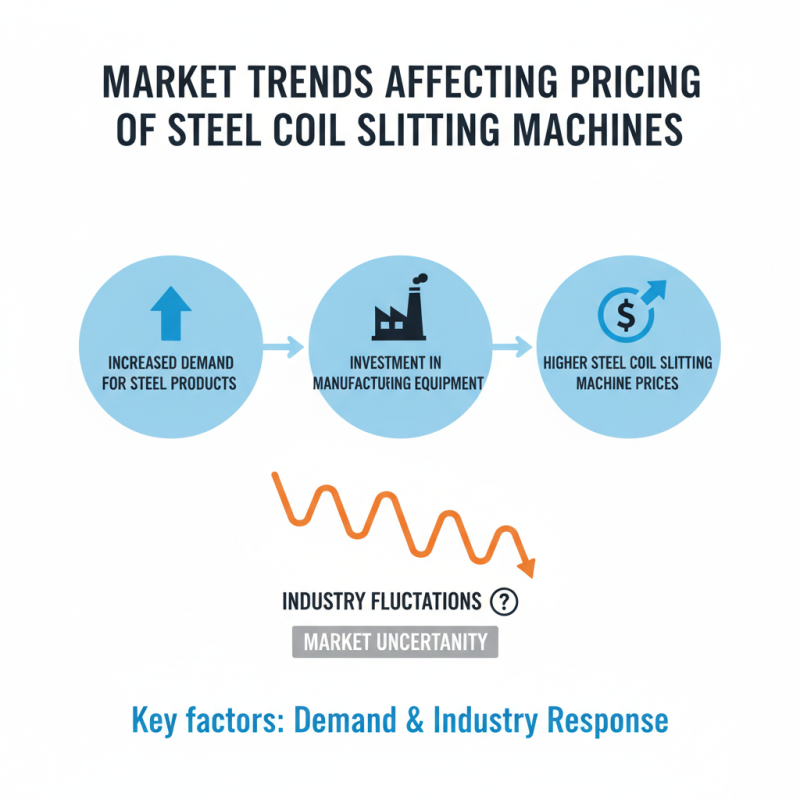
The pricing of steel coil slitting machines is influenced by various market trends. Demand is one of the key factors affecting prices. High demand for steel products results in increased investment in manufacturing equipment. This surge in investment can drive up prices for slitting machines. Manufacturers are also responding to industry fluctuations, which can create uncertainty in the market.

Another significant influence is the cost of raw materials. Prices for steel and components used in machines fluctuate based on supply chain pressures. Economic unrest, tariffs, and trade policies can also impact these costs. Unexpected price hikes can make it hard for manufacturers to predict expenses. Additionally, advances in technology play a role. Newer machines with improved efficiency tend to cost more, reflecting their advanced capabilities. However, older models may offer a more affordable option, yet they can lack modern efficiency.

Market competition is another variable in machine pricing. As more companies enter the manufacturing sector, pricing strategies may change. Some may reduce prices to attract customers, creating pressure on other manufacturers. This can benefit buyers but may also lead to questions about quality. Balancing cost and performance remains a challenge for prospective buyers. The evolving landscape highlights the need for careful market analysis before making investment decisions.

Comparison of Brand Reputation and Its Role in Pricing Steel Coil Machines

Brand reputation significantly impacts the pricing of steel coil slitting machines. Manufacturers with a strong reputation often set higher prices. This is because their products are perceived as more reliable and durable. Buyers by instinct prefer brands that have established trust over time. They believe a reputable brand means better support and service, which justifies the higher cost.

When considering your purchase, assess brand reviews and customer feedback. Look for testimonials that mention longevity and efficiency. It's also wise to compare warranties and service agreements. A solid warranty can be an indicator of a brand that stands by its machinery. Not all high-priced machines guarantee better performance; sometimes, they rely on brand prestige.

Tips: Focus not just on price but on value. Research how long the machines last or their performance rates. Engage with professionals who have experience using various brands. Their insights can guide you toward making an informed choice. Remember, sometimes the most recognized names aren't the best fit for your needs. Take time to reflect on what features truly matter to you.

Factors Influencing Steel Coil Slitting Machine Price

Technological Advancements and Their Influence on Machine Costs

Technological advancements play a crucial role in determining the price of steel coil slitting machines. Recent reports indicate that modern machines with advanced automation capabilities can increase production efficiency by over 30%. These machines often feature enhanced precision, minimizing waste and maximizing output. The integration of AI technology allows for predictive maintenance, reducing machine downtime, which is a critical cost-saving factor for manufacturers.

In contrast, older models may lack these features. They typically cost less upfront but result in higher operational expenses over time. Maintenance becomes frequent, and the production output might not meet market demands. As manufacturers prioritize efficiency, they often invest more in advanced machines, leading to a gradual increase in their prices.

Tips: When considering a purchase, assess your production capacity needs. Determine how much you're willing to invest for long-term savings. A balance between initial cost and operational efficiency is crucial.

Additionally, consider the availability of spare parts and technical support for the machines. Reliable after-sales service contributes significantly to the overall expense. Machines that require specialized technicians may incur higher operational costs. So, think about both technological features and support services when evaluating machine options.

Economic Factors Shaping the Steel Coil Slitting Machine Market

Economic factors play a critical role in shaping the steel coil slitting machine market. Fluctuations in raw material costs directly impact production expenses. When steel prices rise, manufacturers often pass these costs onto consumers. This can lead to higher machine prices. Understanding market trends is essential for buyers.


Demand for steel products can also shift. Economic growth or downturns influence manufacturing needs. In periods of expansion, more machines are required. Conversely, during recessions, demand decreases. Companies must adapt their purchasing strategies based on these economic signals.


Tips for purchasing: Always analyze market trends before buying. Timing can save costs. Consider the longevity of the machine. Investing in durable equipment may minimize long-term expenses. Stay informed about industry developments that could affect prices. Regular research and networking can provide valuable insights.


Another factor to consider is technological advancements. Innovations can lead to increased efficiency and reduced operating costs. This can influence machine pricing. Stay aware of new features that may enhance productivity. Keep an eye on industry conferences to gather ideas and feedback. Engaging with experts can offer deeper insights into future trends.