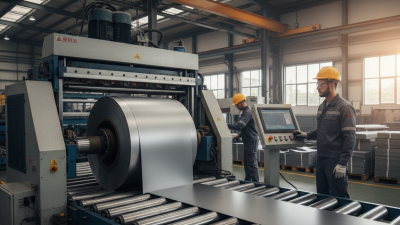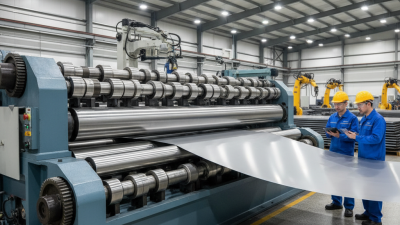

In the competitive manufacturing landscape, choosing the right sheet slitting machine is crucial. These machines enhance efficiency and precision in processing materials like paper, plastic, and metal. Buyers face numerous options, often making decisions challenging. Each machine offers unique features that cater to specific needs.
When considering a sheet slitting machine, one must reflect on various factors. The technology used, production capacity, and maintenance requirements are key. Some machines excel in speed, while others focus on versatility. Buyers should carefully analyze these elements. A machine that works for one business may not fit another.
Finding the best machine involves thorough research. It’s not just about the price. Reliability and support services matter equally. Engaging with other industry professionals and exploring reviews can provide valuable insights. Ultimately, the right choice can significantly impact operations, offering long-term benefits.
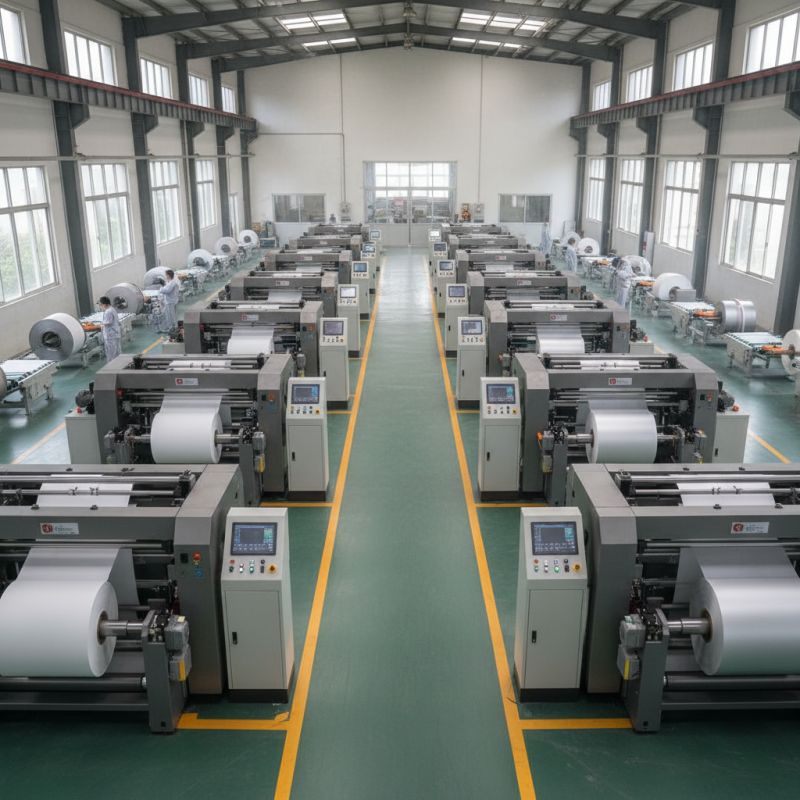
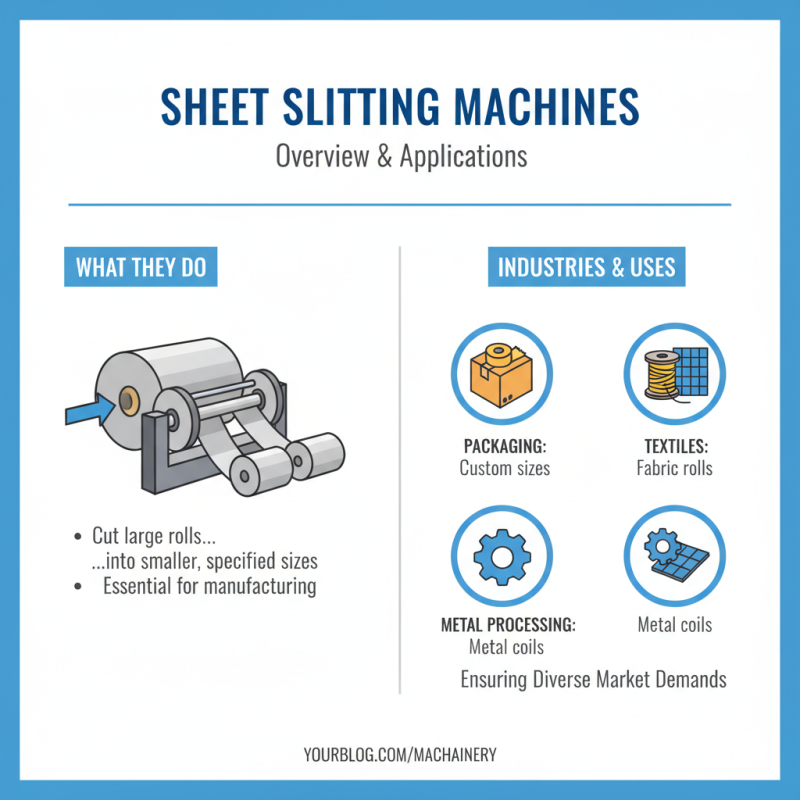
Sheet slitting machines are essential tools in manufacturing. They cut large rolls of material into smaller, specified sizes. This process ensures that businesses can meet diverse market demands efficiently. Industries such as packaging, textiles, and metal processing rely heavily on these machines.
These machines vary in features and applications. Some are designed for thin materials, while others handle thicker sheets. Precision is key, as even minor errors can lead to significant waste. Regular maintenance is crucial for optimal performance. Users often overlook this aspect, leading to unexpected downtimes. Training operators on best practices can enhance productivity.
The versatility of sheet slitting machines is noteworthy. They can be used for various materials, including paper and plastic. However, selecting the right machine can be challenging. Factors like production scale and material type play a role in decision-making. Assessing these needs accurately is important for maximizing efficiency.
When selecting a sheet slitting machine, several key factors must be prioritized. One critical consideration is the machine's capacity. Reports indicate that machines capable of handling at least 600 mm width are in high demand. Users should assess the thickness range suitable for their materials, often between 0.1 mm to 10 mm. This variability affects efficiency and potential material waste.
Another fundamental aspect is the machine's precision. A slitter that can achieve a tolerance of ±0.05 mm is often preferred in industries requiring high accuracy. This level of precision can enhance product quality significantly. Additionally, understanding the type of blade used is vital. For instance, rotary blades are common, but they require regular maintenance. Users should consider the total cost of ownership, including operational costs, maintenance, and downtime.
Lastly, safety features should not be overlooked. Machines that adhere to international safety standards can help mitigate workplace hazards. Equipment with automatic shut-off systems and safety guards can enhance operator protection. Assessing these factors ensures that buyers invest in machines that offer reliability and efficiency. The intricacies involved in choosing the right slitting machine have implications not only on productivity but also on safety and cost management.
When selecting a high-quality sheet slitting machine, it's essential to consider several key features. One significant aspect is the machine's cutting precision. Precision ensures minimal waste and sharp edges. A machine that produces clean cuts enhances productivity and reduces the need for rework.
Another critical feature is the machine's speed. An efficient sheet slitting machine should handle large volumes quickly. Automation technology can improve speed while maintaining quality. However, higher speed doesn’t always guarantee better results. Machines often require regular calibration to ensure optimal performance.
Durability is also vital. A robust construction prolongs the lifespan of the machine. Machines should withstand intense usage without frequent breakdowns. Maintenance is another area often overlooked. Regular servicing can prevent issues but is often underprioritized. This reflects a gap in understanding the relationship between maintenance and performance. Choosing the right features balances quality, efficiency, and longevity, which are crucial for overall production success.
The sheet slitting market is growing rapidly. Buyers today have various options to assess, making informed choices more crucial than ever. When comparing leading manufacturers, it is essential to understand their unique offerings. Some focus on precision, providing machines that deliver accurate slits consistently. Others prioritize speed, optimizing production rates for high-demand environments. Each manufacturer has strengths and weaknesses, which can influence the final decision.
Durability is another key factor in this comparison. Machines built with robust materials often last longer, saving costs on replacements. Performance under different conditions varies as well. Some machines handle a wider array of materials without compromising quality. However, cost-effectiveness must also be considered. The cheapest option may not provide the best long-term value.
Manufacturers also vary in customer support and warranty services. Reliable technical support can significantly enhance user experience. Buyers should reflect on their specific needs before committing. While the market offers diverse solutions, it can be easy to overlook critical details. Understanding these nuances will empower global buyers to choose wisely.
| Model | Max Cutting Width (mm) | Slitting Speed (m/min) | Blade Type | Weight (kg) | Power (kW) |
|---|---|---|---|---|---|
| Model A | 1600 | 250 | Rotary | 1200 | 15 |
| Model B | 2000 | 300 | Flat | 1500 | 18 |
| Model C | 1800 | 220 | Round | 1300 | 16 |
| Model D | 1500 | 280 | Carbide | 1100 | 17 |
| Model E | 1750 | 250 | HSS | 1400 | 20 |
| Model F | 1850 | 300 | Tungsten | 1600 | 19 |
| Model G | 1650 | 240 | Ceramic | 1250 | 15 |
| Model H | 1900 | 320 | Special Alloy | 1750 | 21 |
| Model I | 1550 | 210 | Bi-Metal | 1150 | 14 |
| Model J | 2000 | 290 | High Speed Steel | 1550 | 22 |
Regular maintenance of slitting machines can significantly enhance their lifespan. According to a report by the International Journal of Advanced Manufacturing Technology, proper care can increase operational efficiency by up to 50%. Keeping machines clean and lubricated prevents unnecessary wear. Inspections should be performed weekly to identify loose parts or signs of damage.
Operators should be trained to notice unusual sounds or vibrations. These can indicate deeper mechanical issues. A significant study from the Journal of Manufacturing Science and Engineering found that 60% of machinery failures are due to unaddressed minor problems. Implementing a predictive maintenance schedule can address these issues before they escalate.
Additionally, machine settings must be periodically reviewed. Over time, slight misalignments can occur, impacting performance. The same report also highlighted that regular settings adjustments increase product quality by 30%. Adjusting settings can seem tedious, yet the long-term benefits justify the effort. Taking these actions promotes a reliable and efficient operation.