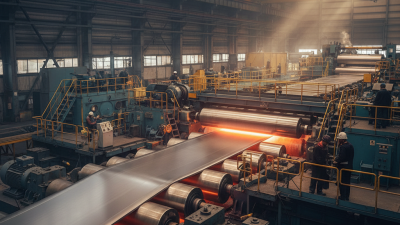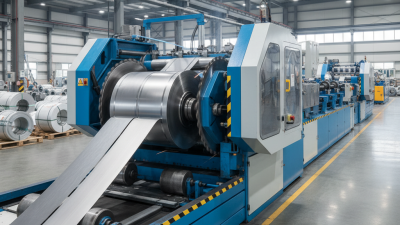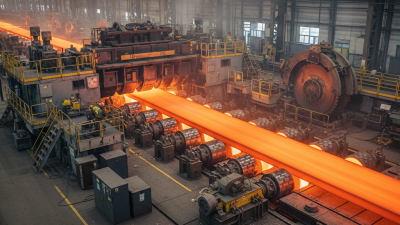

Aluminium rolling mill machinery has become essential in modern manufacturing. Its effectiveness in processing aluminium into various shapes is remarkable. With the growing demand for lightweight materials, the need for advanced machinery is critical.
Choosing the right aluminium rolling mill machinery can significantly impact production efficiency. Many industries, such as automotive and aerospace, benefit from this equipment. However, selecting the best machinery requires understanding its capabilities and limitations. It’s not merely about speed; precision matters too.
Investing in aluminium rolling mill machinery entails meticulous research and evaluation. Knowing the specific needs of your production line is crucial. Are you focusing on thickness, width, or surface finish? These factors will influence your choice. The right equipment can lead to higher quality products and lower operational costs. However, it’s important to acknowledge that maintenance and training are vital for optimal performance. Reflecting on your choices can lead to better decisions in the future.
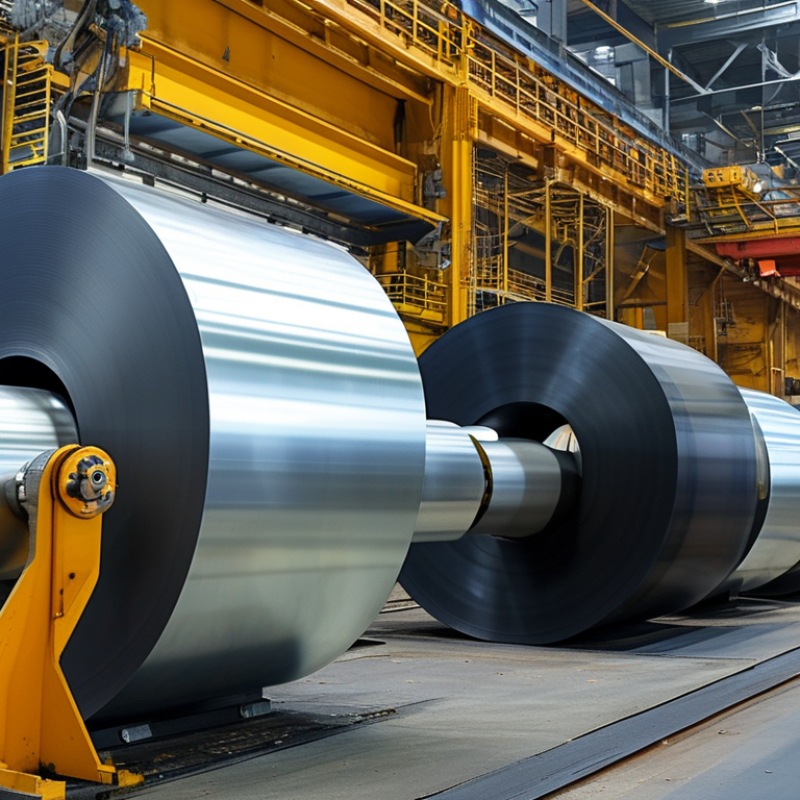
Aluminium rolling mill machinery offers numerous advantages for production. It significantly enhances efficiency in metal processing. The machinery can handle various sheet sizes, providing versatility in production. Clients appreciate faster turnaround times and reduced waste. The precision of rolling mills ensures uniform thickness, crucial for quality assurance.
Additionally, operational reliability is a key benefit. Machines are designed for longevity, leading to lower maintenance costs. This reliability can be underestimated in some facilities. Regular maintenance is essential to avoid unexpected downtime. Training staff effectively is also often overlooked but crucial. Proper education on machinery use can prevent mishaps and improve output.
Another important aspect is energy consumption. Aluminium rolling often requires substantial energy, and modern machines are evolving for efficiency. Innovations in technology are paving the way for eco-friendly options. Some companies still lag behind in adopting these advancements. Reflection on current practices may lead to more sustainable production methods.
Aluminium rolling mill machinery has become a critical asset for many production facilities. Its design emphasizes efficiency and precision, making it ideal for processing aluminum sheets, foils, and plates. One key feature is the advanced roller design. This feature ensures a consistent thickness across the material. The machines can be customized, allowing them to produce specific dimensions according to production needs.
Another important aspect is the energy efficiency of these machines. They are engineered to minimize power consumption, yet maintain high output levels. This balance supports cost-effectiveness in production. Additionally, automation capabilities streamline operations, reducing manual labor. Operators can focus on monitoring rather than handling equipment, which can lead to safety concerns during high-demand periods.
However, potential buyers must consider the initial investment costs. While these machines offer long-term benefits, the financial outlay can be daunting. Regular maintenance is also essential to keep the machinery in optimal condition. Inadequate upkeep could lead to costly downtimes, impacting productivity. Evaluating these factors will aid in making informed decisions that align with production goals.
| Feature | Description | Benefits |
|---|---|---|
| High Efficiency | Optimized designs for reduced energy consumption. | Lower operational costs and increased productivity. |
| Precision Engineering | Advanced technology for consistent thickness and quality. | Enhanced product quality, minimizing waste. |
| Versatility | Capable of processing various aluminium alloys and tempers. | Adaptable to different production lines and market demands. |
| Automation Capabilities | Integration with automated systems for seamless operation. | Improved process control and reduced labor costs. |
| Low Maintenance | Durable components minimize the need for frequent repairs. | Increased uptime and long-term savings. |
In the highly competitive sector of aluminium production, choosing the right rolling mill machinery is crucial for enhancing efficiency and cost-effectiveness. According to a recent industry report, improving production processes can decrease operational costs by up to 30%. This reduction is vital for manufacturers aiming to maintain profit margins amid fluctuating aluminium prices.
Aluminium rolling mills are designed for high throughput and versatility. They enable the production of various products, from sheets to foils. With advancements in technology, modern mills can achieve energy savings of 15-20%. This energy efficiency directly translates to lower operational expenses, allowing businesses to allocate resources elsewhere. Many companies struggle to optimize their production lines fully, even as technology evolves. Regular assessments and updates to machinery are necessary for maintaining peak performance.
The initial investment in aluminium rolling mill machinery can be substantial. However, the long-term benefits often justify this cost. Manufacturers often face challenges in balancing upfront spending with ongoing maintenance. The choice of machinery can impact not just production speed, but also material quality. Reports indicate that machinery failures can lead to production downtimes, costing firms thousands. Choosing reliable, efficient machinery is imperative for sustaining growth in this demanding industry.
Aluminium rolling mills play a crucial role in sustainable production. They are designed to minimize energy consumption. Innovative technologies have been developed to enhance efficiency. A rolling mill can recycle aluminium, reducing the need for primary material. This process significantly lowers greenhouse gas emissions.
Many industries are now focusing on environmental impact. The energy saved during aluminium production translates into fewer carbon footprints. However, continuous monitoring of processes is essential. Waste management remains a challenge. Technologies evolve, but refining production methods is ongoing.
Moreover, water usage in aluminium rolling mills is a concern. While many mills have reduced their water consumption, improvements can still be made. Adopting closed-loop water systems can further decrease wastage. Encouragingly, the industry is moving toward sustainable practices. There is room for growth in better overall sustainability measures.
The aluminium rolling mill industry is undergoing significant transformation, driven by advancements in technology. Innovative processes, such as continuous casting, enhance production efficiency. Data from industry reports indicate that the global aluminium rolling market is projected to reach USD 100 billion by 2026, reflecting a strong demand for advanced machinery.
Energy efficiency is a crucial focus. Modern rolling mills are integrating automation and digital technologies. This shift helps to optimize energy consumption and minimize waste. Reports suggest that energy-efficient rolling mills can reduce energy costs by up to 25%. This substantial reduction directly impacts profit margins for manufacturers.
Sustainability remains a priority in aluminium production. New technologies are being developed to enable recycling of aluminium scrap in the rolling process. Recycling requires only 5% of the energy needed for primary production. This trend aligns with global efforts to reduce carbon footprints and enhance the lifecycle sustainability of aluminium products. As these trends develop, manufacturers must adapt. Embracing these changes can lead to improved productivity and reduced environmental impact.